

Building and Expanding a Shadowing Program for Impact Beyond a Single Day
Bear Down Gym 266 | Discover how the College of Science Career Center’s Science Shadows program evolved from a one-day job shadow experience into a broader ecosystem for student engagement, alumni connection, and employer partnership. This interactive session will explore how intentional relationship-building can transform short-term experiential learning into long-term opportunities, including returning alumni hosts, expanded employer collaboration, and emerging internship and co-curricular pathways. Participants will leave with practical strategies and a guided planning framework to help launch or scale shadowing initiatives at their own institutions.
Bear Down Gym 266
The College of Science Career Center's Science Shadows program has evolved from a single-day experiential offering into an engagement initiative that connects students, alumni, and employers in meaningful ways. Free to both students and participating organizations, this program was built to help students develop social capital, gain workplace exposure, and establish professional relationships. Over the past few years, the Science Shadows has grown beyond the original scope: former student participants have returned as alumni hosts, a partner organization is in the process of launching a new internship program, and an on-campus collaboration is now in the planning stages to develop a multi-week co-curricular experience with a returning host organization. Attendees will receive a short overview of the Science Shadows model alongside success stories, followed by a guided brainstorming activity with a structured worksheet to help participants identify key stakeholders and contacts for either launching a new job shadow program or growing an existing one beyond its initial engagement.
Session Outcomes
Identify the foundational components needed to design, launch, or strengthen a student job shadowing program that supports career exploration and relationship-building.
Analyze how experiential learning initiatives can evolve into longer-term partnerships that support student engagement, alumni involvement, and employer collaboration.
Develop an actionable framework for expanding a shadowing program beyond a single-day experience through strategic stakeholder engagement and cross-campus collaboration.
Presenter

Lyndsey Edmons
Director, College of Science Career Center
University of Arizona
Tags
Building Career Pathways Through Apprenticeships
Bear Down Gym 210 | Explore how apprenticeships are creating meaningful workforce pathways through collaboration between education, industry, and state partners. Attendees will gain insight into apprenticeship models, employer perspectives, and strategies for expanding hands-on career opportunities.
Bear Down Gym 210
Explore how apprenticeships are transforming workforce development! This session brings together the Arizona Apprenticeship Office and Pima Community College to break down the basics and showcase how collaborative partnerships create meaningful, hands-on career opportunities.Attendees will also hear the employer perspective on how apprenticeship programs support talent development, retention, and long-term workforce growth.
Session Outcomes
Understand the fundamentals of registered apprenticeships
Identify the roles of state agencies, colleges, and employers in apprenticeship programs
Recognize how colleges can support apprenticeship sponsorship and related training instruction (RTI)
Recognize the value of apprenticeship programs from an employer perspective, including workforce development and retention benefits.
Presenter

Denise Kingman
Director, Engagement and Career Services/Office of Apprenticeships
Pima Community College
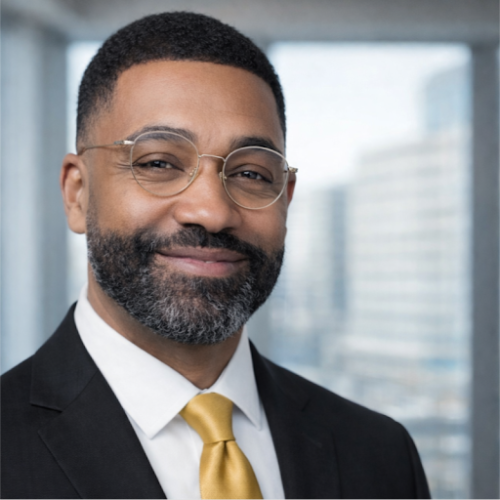
Dennis McMurray
Senior Manager
Raytheon RTX

Joann Bueno
State Apprenticeship Program Director
Arizona Apprenticeship Office

Elizabeth Moreno
Apprenticeship Program Manager
Pima Community College
Tags
The Experience Gap: Aligning Student Preparation with Employer Expectations
Bartlett Academic Success Center 306 | What students consider “experience” does not always align with employer expectations. This session examines the disconnect between higher education and hiring practices while offering strategies to help students better communicate their skills and readiness for the workforce.
Bartlett Academic Success Center 306
Students often struggle to understand what “counts” as experience, while employers prioritize skills that don’t always align with how students or faculty define them. This session explores the disconnect between how students, faculty, and employers define “experience” and how career services professionals can help bridge that gap. Drawing from professional experience in HR and higher education recruiting, it examines the “experience gap” through the lens of real-world hiring practices.
Session Outcomes
Recognize differences between how students, faculty, and employers define experience
Identify what types of experience employers prioritize and why
Apply strategies to help students translate academic and informal experiences into relevant, marketable skills
Presenter

Rachel Araiza
Career Development Coordinator
Pima Community College

Dawn Shemensky
Career Development Coordinator
Pima Community College
Tags
Guiding Intentional AI Use in Students’ Career Development
Bartlett Academic Success Center 316 | AI tools are rapidly becoming part of the career development process, but students need support using them thoughtfully and ethically. This session explores practical prompt engineering strategies that encourage reflection, revision, and critical thinking while helping students navigate career exploration and professional communication.
Bartlett Academic Success Center 316
This session explores how career development professionals can support students to use AI tools thoughtfully and ethically. We will discuss prompt engineering strategies that center revision, self-reflection, and critical evaluation as students explore career paths, create application materials, prepare for interviews, and craft professional communication.
Session Outcomes
Frame AI as a resource that supports student learning, reflection, and skill development.
Apply prompts and strategies that promote critical evaluation, agency, and authenticity.
Learn how students can use AI to support career exploration, application materials, interview preparation, and professional communication.
Presenter

Tricia Sherrard
Assistant Director for Career Programming
Northern Arizona University

Jason Gihle
Career Development Manager
Northern Arizona University