

Building and Expanding a Shadowing Program for Impact Beyond a Single Day
Bear Down Gym 266 | Discover how the College of Science Career Center’s Science Shadows program evolved from a one-day job shadow experience into a broader ecosystem for student engagement, alumni connection, and employer partnership. This interactive session will explore how intentional relationship-building can transform short-term experiential learning into long-term opportunities, including returning alumni hosts, expanded employer collaboration, and emerging internship and co-curricular pathways. Participants will leave with practical strategies and a guided planning framework to help launch or scale shadowing initiatives at their own institutions.
Bear Down Gym 266
The College of Science Career Center's Science Shadows program has evolved from a single-day experiential offering into an engagement initiative that connects students, alumni, and employers in meaningful ways. Free to both students and participating organizations, this program was built to help students develop social capital, gain workplace exposure, and establish professional relationships. Over the past few years, the Science Shadows has grown beyond the original scope: former student participants have returned as alumni hosts, a partner organization is in the process of launching a new internship program, and an on-campus collaboration is now in the planning stages to develop a multi-week co-curricular experience with a returning host organization. Attendees will receive a short overview of the Science Shadows model alongside success stories, followed by a guided brainstorming activity with a structured worksheet to help participants identify key stakeholders and contacts for either launching a new job shadow program or growing an existing one beyond its initial engagement.
Session Outcomes
Identify the foundational components needed to design, launch, or strengthen a student job shadowing program that supports career exploration and relationship-building.
Analyze how experiential learning initiatives can evolve into longer-term partnerships that support student engagement, alumni involvement, and employer collaboration.
Develop an actionable framework for expanding a shadowing program beyond a single-day experience through strategic stakeholder engagement and cross-campus collaboration.
Presenter
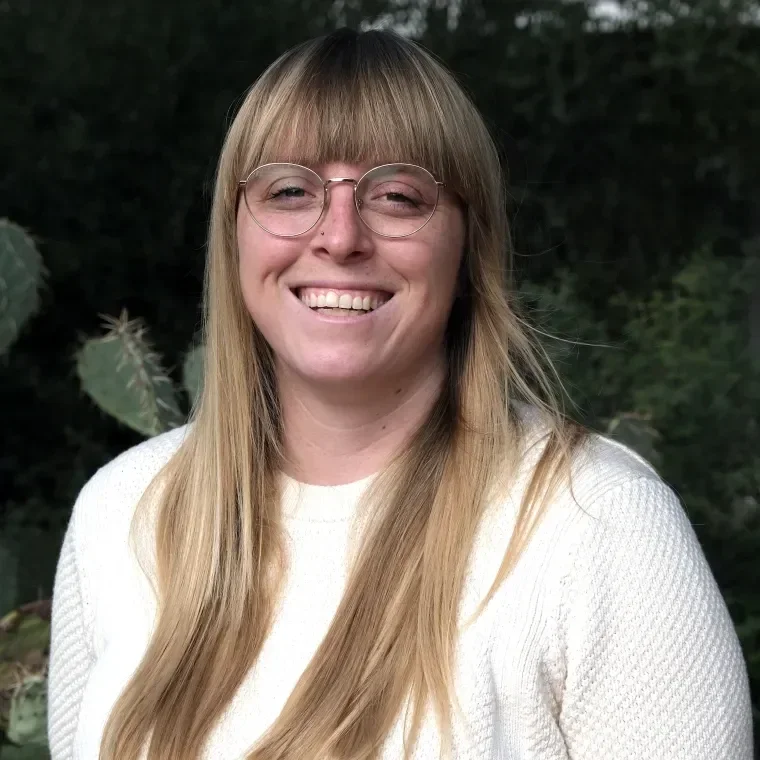
Lyndsey Edmons
Director, College of Science Career Center
University of Arizona
Tags
Post-Graduation Success: Exploring the UA’s Graduating Senior Survey
Bartlett Academic Success Center 316 | Student organizations and campus employment can serve as powerful career development experiences when approached intentionally. This session explores how to help students recognize and articulate the professional skills they gain through involvement and on-campus work.
Bartlett Academic Success Center 316
This session introduces attendees to the University of Arizona Graduating Senior Survey (First Destination Survey). The session will discuss the logistics of the survey as well as how we leverage the data to inform the progress of the academic student success goals such as HIPS engagement, graduation, and post-graduation outcomes.
Session Outcomes
Recall the data collected as part of the Graduating Senior Survey
Specify the experiences and connections that support students’ post-graduation success
Outline how to apply or support post-graduation data collection in their own practice"
Presenters

Megan Forecki
Lead, Institutional Assessment Professional, Center for Career Readiness
University of Arizona
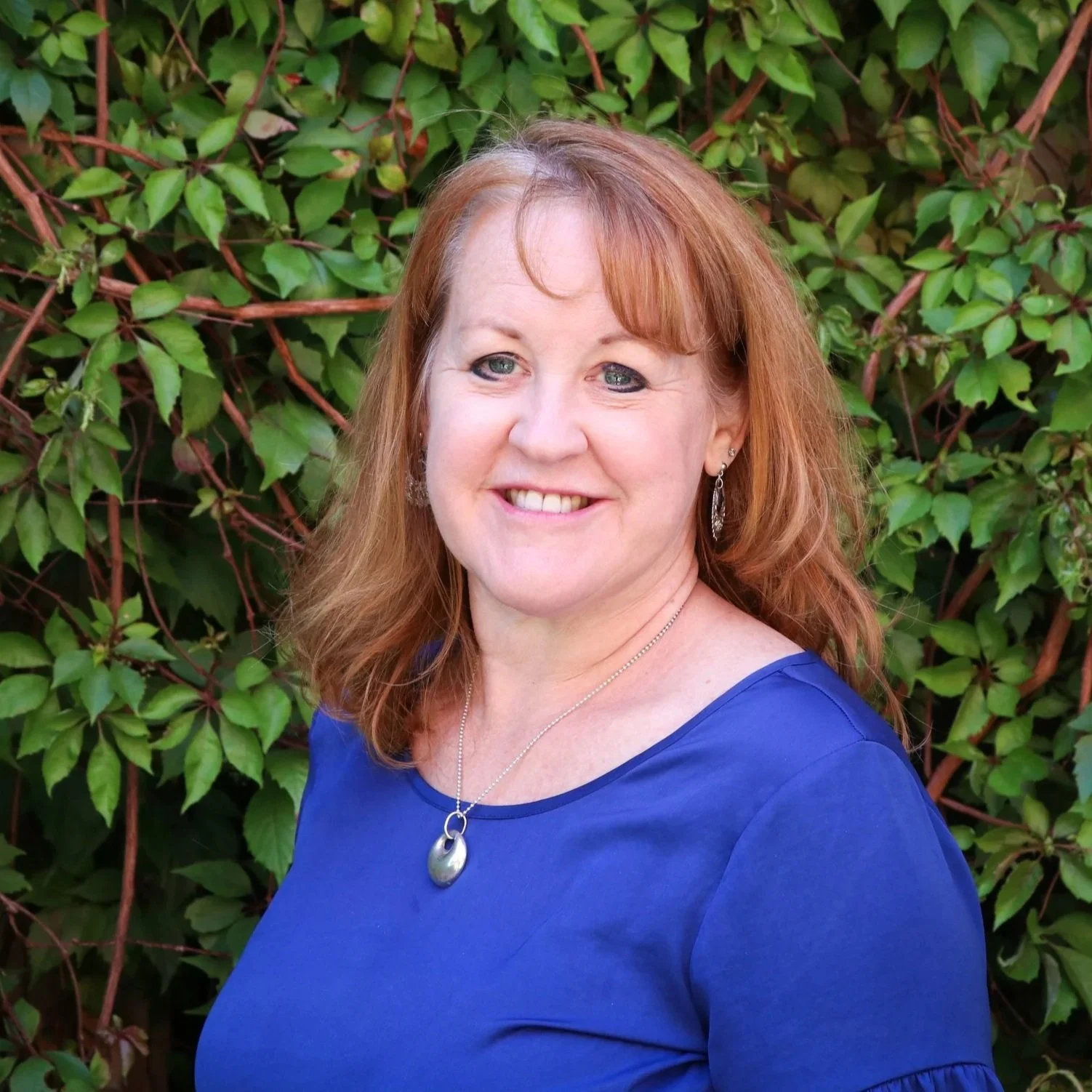
Emily McCarthy
Executive Director, Center for Career Readiness
University of Arizona
Tags
From the Classroom to Career: Embedding Career Development Into Curriculum
Bear Down Gym 210 | Explore how institutions are integrating career readiness into curriculum through faculty partnerships, course design, and cross-campus collaboration. Panelists will share real-world successes, challenges, and practical advice for scaling this work.
Bear Down Gym 210
Career readiness cannot live solely within the walls of the career center. Increasingly, institutions are exploring ways to embed career development directly into curriculum, courses, and the broader student learning experience.
In this panel discussion, presenters from multiple institutions will share how they have integrated career readiness into academic environments through faculty partnerships, curricular initiatives, and student-centered programming. Panelists will discuss lessons learned, challenges encountered, strategies for gaining institutional buy-in, and practical advice for career services teams beginning this work. Attendees will leave with actionable ideas and a deeper understanding of how career development can become a shared institutional responsibility.
Session Outcomes
Identify strategies for integrating career development into curriculum through faculty and academic partnerships.
Recognize common challenges and institutional barriers related to embedding career readiness into academic experiences.
Apply practical approaches for building buy-in and advancing career readiness initiatives across campus.
Presenters
Lyndsey Edmonds - Moderator
Director, College of Science Career Center
University of Arizona

Deb Ruiz
Manager, Career Services
Chandler-Gilber Community College
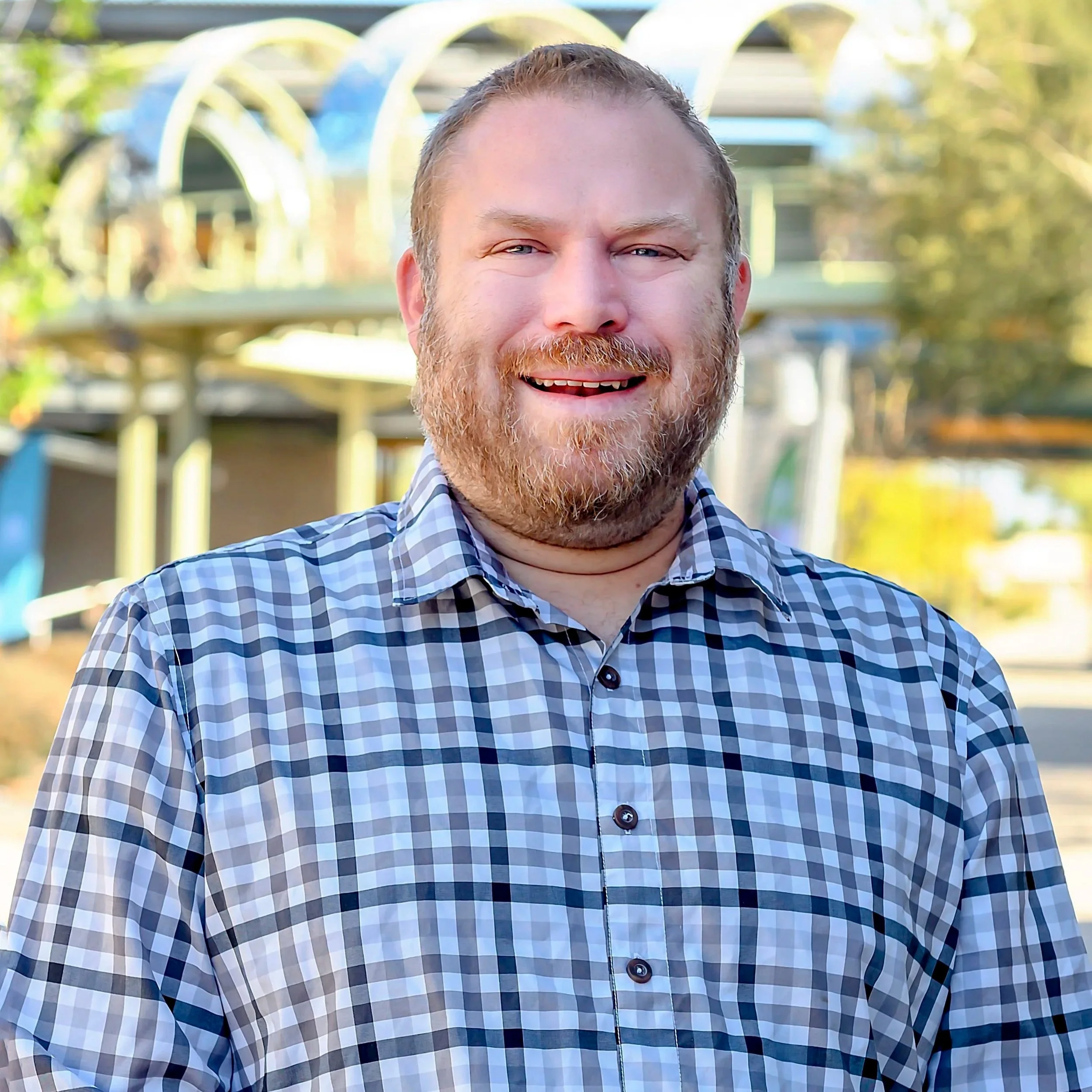
George Lopercio
Career Advisor
Chandler-Gilber Community College

Korrie Brown
Associate Director
Arizona State University
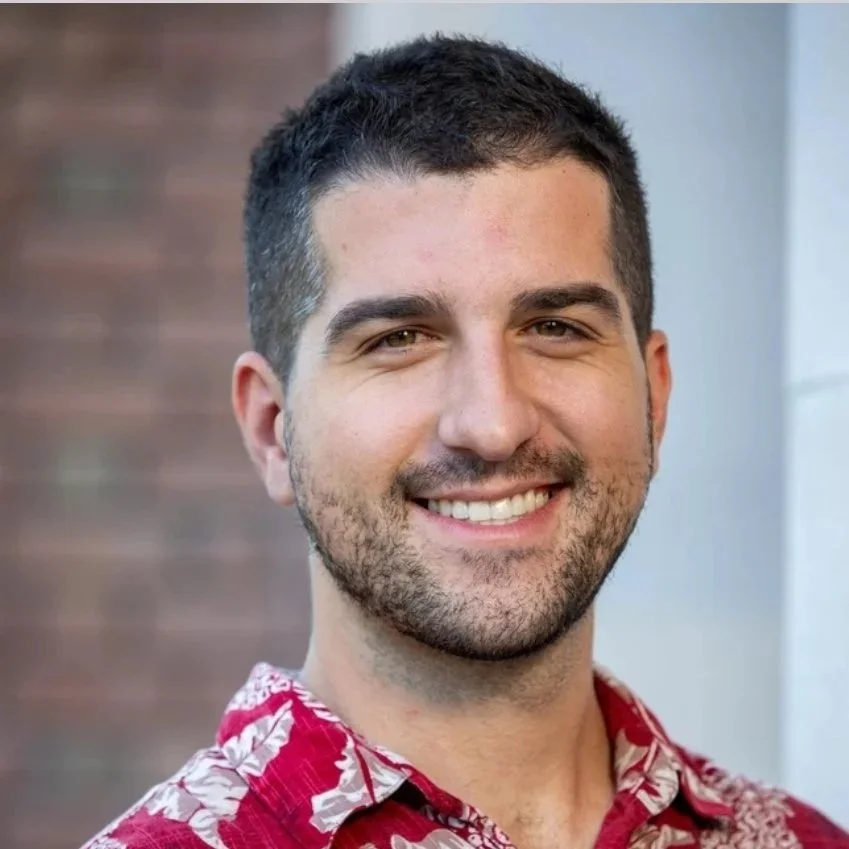
Colin Eischeid
Career Development Coordinator
Arizona State University
Tags
The Start of Something New: Lessons Learned as a First Year Career Center
Bartlett Academic Success Center 306 | Mental health, systemic stress, and lived experiences all shape how students engage with career development. This interactive session explores trauma-informed and culturally responsive approaches that help career professionals better support connection, trust, and student success.
Bartlett Academic Success Center 306
Starting a career center from scratch is no easy task! Learn about the successes and challenges faced as a first-year career center in the College of Medicine, and participate in a round table discussion where professionals can come together to learn from one another.
Session Outcomes
Understand the challenges faced as a first year career center, and what actions have been taken to mitigate those challenges
Participate in a discussion with other professionals to share their experiences with building career centers
Learn from one another about best practices and what has worked (or not worked) for other institutions
Presenter
Taylor Brestel
Career Coach
University of Arizona
Tags
Building Career Pathways Through Apprenticeships
Bear Down Gym 210 | Explore how apprenticeships are creating meaningful workforce pathways through collaboration between education, industry, and state partners. Attendees will gain insight into apprenticeship models, employer perspectives, and strategies for expanding hands-on career opportunities.
Bear Down Gym 210
Explore how apprenticeships are transforming workforce development! This session brings together the Arizona Apprenticeship Office and Pima Community College to break down the basics and showcase how collaborative partnerships create meaningful, hands-on career opportunities.Attendees will also hear the employer perspective on how apprenticeship programs support talent development, retention, and long-term workforce growth.
Session Outcomes
Understand the fundamentals of registered apprenticeships
Identify the roles of state agencies, colleges, and employers in apprenticeship programs
Recognize how colleges can support apprenticeship sponsorship and related training instruction (RTI)
Recognize the value of apprenticeship programs from an employer perspective, including workforce development and retention benefits.
Presenter

Denise Kingman
Director, Engagement and Career Services/Office of Apprenticeships
Pima Community College
Dennis McMurray
Senior Manager
Raytheon RTX

Joann Bueno
State Apprenticeship Program Director
Arizona Apprenticeship Office

Elizabeth Moreno
Apprenticeship Program Manager
Pima Community College
Tags
How We Used AI to Build Career Pathways for Underserved Students—Without More Staff or Budget
Bear Down Gym 210 | Learn how Pima Community College leveraged AI and community partnerships to rapidly build culturally responsive career pathways for underserved students. This session offers a practical and scalable model for increasing access and impact without requiring additional staffing or funding.
Bear Down Gym 210
Inclusive career pathways are a priority for everyone, but 'capacity' is usually the roadblock. At Pima Community College, we broke that barrier. By combining AI-driven scale with deep community roots—including partnerships with our Native American Student Club and the Gospel Rescue Mission—we’ve built pathways that honor students’ cultural identities and lived experiences. Join us to see how we’ve personalized career support for diverse identity groups and walk away with a replicable model you can use to meet your students exactly where they are.
Session Outcomes
Apply practical AI workflows to rapidly create career pathway content aligned to students’ cultures and lived experiences
Design partnerships with campus and community organizations to co-create pathways that meet students where they are
Implement a scalable approach to expand access to relevant career pathways without adding staff or budget"
Presenter

Emily Marshall
Program Manger, Work-Based Learning Systems
Pima Community College
Tags
The Experience Gap: Aligning Student Preparation with Employer Expectations
Bartlett Academic Success Center 306 | What students consider “experience” does not always align with employer expectations. This session examines the disconnect between higher education and hiring practices while offering strategies to help students better communicate their skills and readiness for the workforce.
Bartlett Academic Success Center 306
Students often struggle to understand what “counts” as experience, while employers prioritize skills that don’t always align with how students or faculty define them. This session explores the disconnect between how students, faculty, and employers define “experience” and how career services professionals can help bridge that gap. Drawing from professional experience in HR and higher education recruiting, it examines the “experience gap” through the lens of real-world hiring practices.
Session Outcomes
Recognize differences between how students, faculty, and employers define experience
Identify what types of experience employers prioritize and why
Apply strategies to help students translate academic and informal experiences into relevant, marketable skills
Presenter
Rachel Araiza
Career Development Coordinator
Pima Community College

Dawn Shemensky
Career Development Coordinator
Pima Community College
Tags
From Involvement to Impact: Rethinking Student Engagement as Career Development
Bear Down Gym 266 | Student organizations and campus employment can serve as powerful career development experiences when approached intentionally. This session explores how to help students recognize and articulate the professional skills they gain through involvement and on-campus work.
Bear Down Gym 266
“From Involvement to Impact” explores how student organizations and student employment roles function as powerful, underutilized career development spaces. This session will equip career development professionals with tools for transforming student involvement and on‑campus employment into intentional, competency‑building career development experiences
Session Outcomes
Reframe student organizations and student employment as meaningful career development experiences that cultivate transferable competencies.
Apply a competency‑mapping approach to identify and articulate the skills students gain through leadership, involvement, and on‑campus work.
Coach student leaders and working learners to translate their experiences into career‑ready language that strengthens resumes, interviews, and professional narratives.
Presenter
Brittany Black
Assistant Director, Career Readiness
Arizona State University
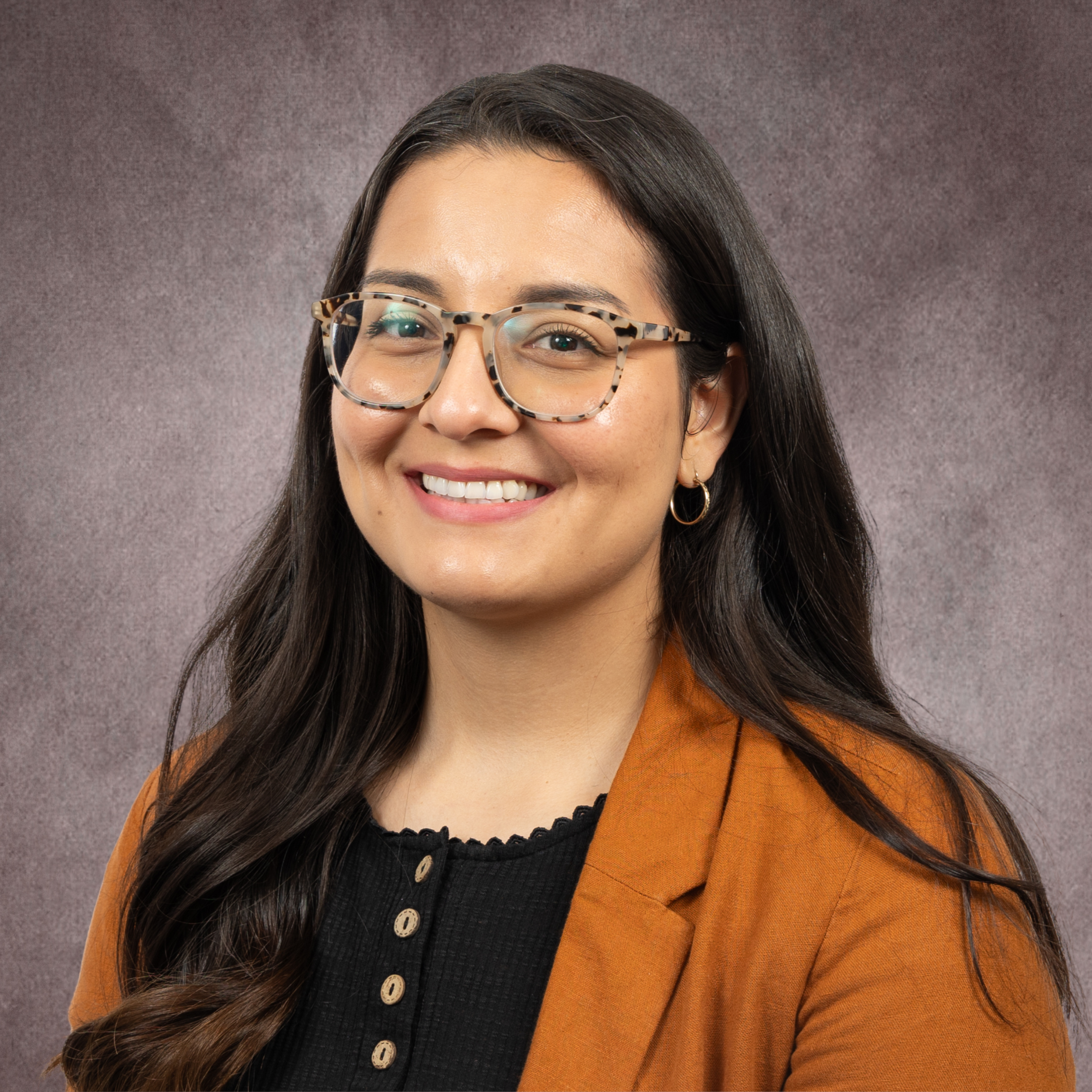
Maria Leon
Program Manager, Career Services
Arizona State University
Tags
Navigating Together: Scaling a Career Fair Through Career Services and Financial Aid Partnership
Bear Down Gym 266 | Discover how collaboration between Career Services and Financial Aid helped transform a career fair into a high-impact student success initiative. Participants will explore practical strategies for building cross-functional partnerships that connect career pathways, financial literacy, and student engagement.
Bear Down Gym 266
What happens when Career Services and Financial Aid move beyond parallel support to true collaboration? This interactive workshop uses a career fair case study to demonstrate how cross-functional partnerships can integrate career pathways and financial literacy into a high-impact, campus-wide initiative. Participants will leave with a practical framework to build and scale similar collaborations across disciplines and institutions.
Session Outcomes
Partnership Design: Participants will be able to identify and map opportunities for collaboration between Career Services and Financial Aid (or equivalent units) to support student career and financial outcomes.
Program Development & Implementation: Participants will be able to design a collaborative program or event (e.g., employer engagement, career panels, or workshops) that integrates career pathways with financial education, using an adaptable framework.
Assessment & Impact: Participants will be able to apply at least one strategy to assess and communicate the impact of cross-campus collaborations to stakeholders (e.g., leadership, employers, or institutional partners)."
Presenter
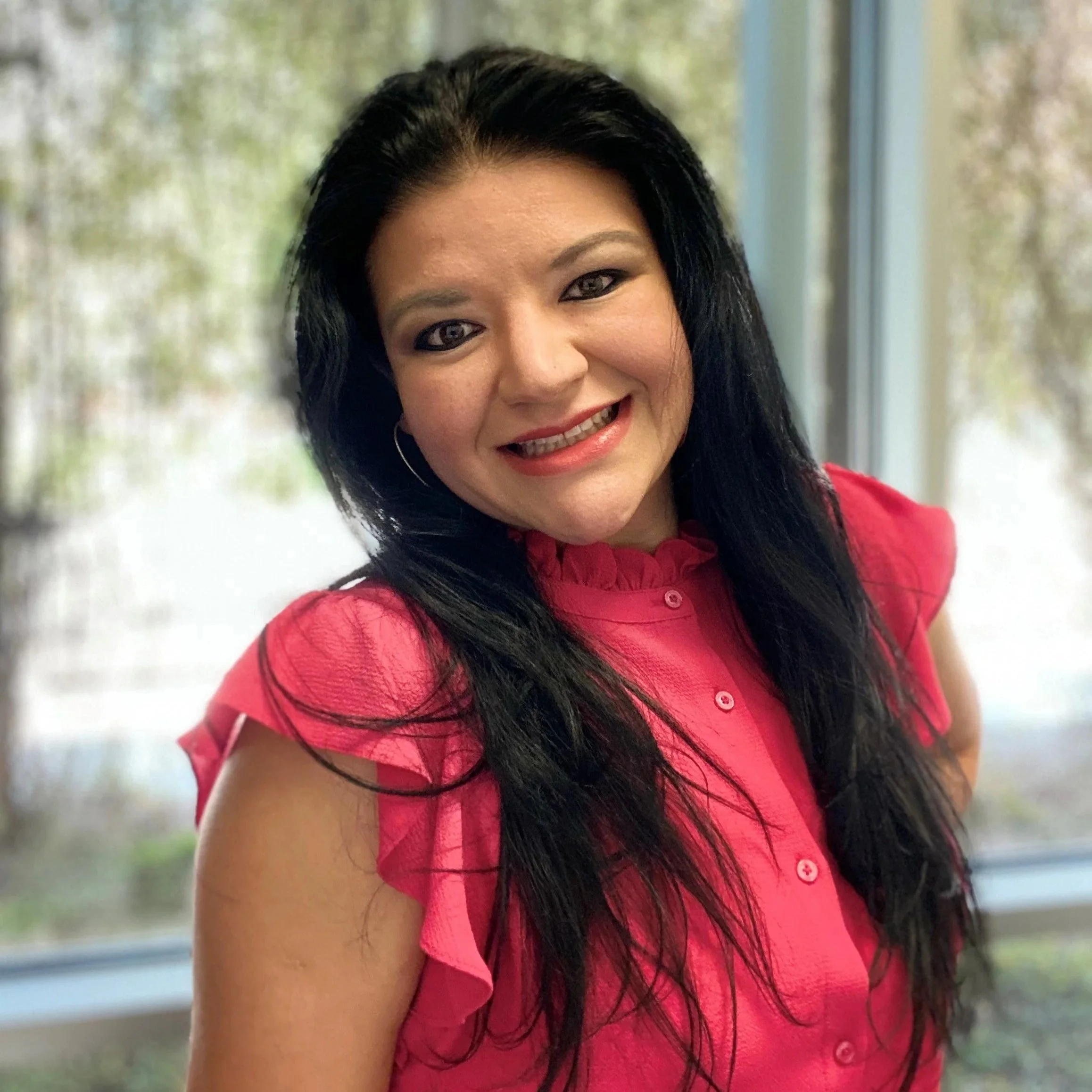
Anais Garcia, MA
Assistant Director, Office of Career & Professional Development; Senior Coordinator, Office of Scholarships & Financial Aid
University of Arizona
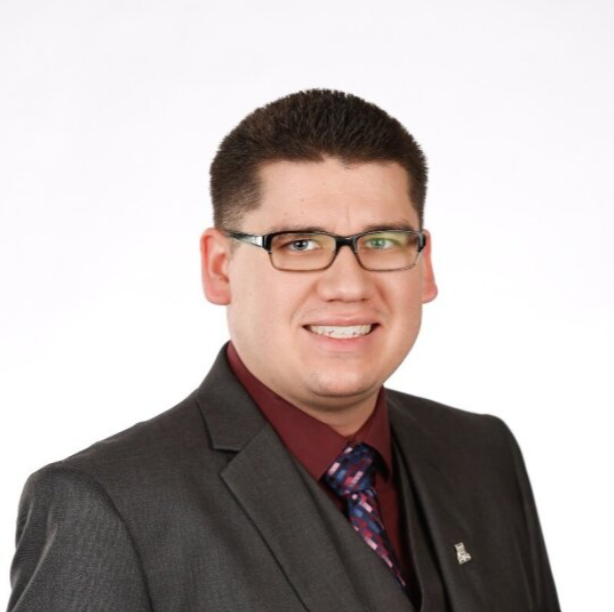
Matthew Rash, MBA, MPA
University of Arizona
Tags
Guide the Way: How Career Professionals Can Shape AI Implementation
Bartlett Academic Success Center 316 | Career professionals already possess many of the skills needed to guide responsible AI implementation, even without being technical experts. This interactive session explores how practitioners can step into leadership roles, shape AI use ethically, and move forward with greater confidence and clarity.
Bartlett Academic Success Center 316
Career development professionals know how to guide others through uncertainty — navigating lengthy application processes, understanding barriers, and building trust and connection. These exact skills are needed for responsible AI implementation, but many practitioners may feel we are waiting for experts to lead. This interactive session challenges that assumption: you don't need to be an AI expert to shape how this tool gets used in your work. Through stories of stepping into leadership without all the answers, practical examples, and interactive moments, you'll discover – and claim – where your expertise is critical. Leave with permission, confidence, and actions to move forward.
Session Outcomes
Participants will identify their own unique expertise and how it applies to responsible AI implementation for themselves, in their work, and in a career services context.
Participants will evaluate use of AI tools and decisions through a human-centered lens, recognizing when to implement, modify, or decline AI use based on student impact and equity considerations.
Participants will plan one concrete action to step into AI leadership in their role — whether experimenting with a tool, sharing a best practice, facilitating a team conversation, or shaping decision-making.
Presenter
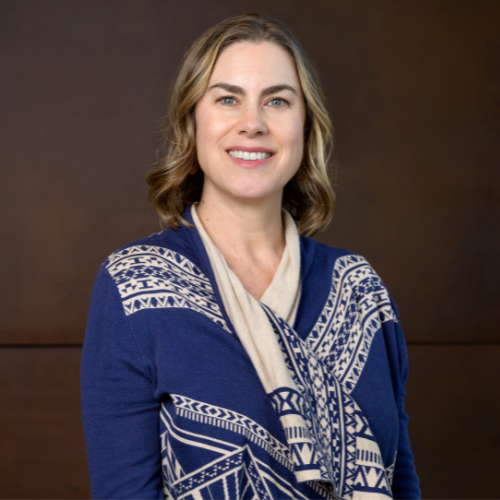
Amanda Harrell
Program Manager, Office of Responsible AI
University of Arizona
Tags
Guiding Intentional AI Use in Students’ Career Development
Bartlett Academic Success Center 316 | AI tools are rapidly becoming part of the career development process, but students need support using them thoughtfully and ethically. This session explores practical prompt engineering strategies that encourage reflection, revision, and critical thinking while helping students navigate career exploration and professional communication.
Bartlett Academic Success Center 316
This session explores how career development professionals can support students to use AI tools thoughtfully and ethically. We will discuss prompt engineering strategies that center revision, self-reflection, and critical evaluation as students explore career paths, create application materials, prepare for interviews, and craft professional communication.
Session Outcomes
Frame AI as a resource that supports student learning, reflection, and skill development.
Apply prompts and strategies that promote critical evaluation, agency, and authenticity.
Learn how students can use AI to support career exploration, application materials, interview preparation, and professional communication.
Presenter

Tricia Sherrard
Assistant Director for Career Programming
Northern Arizona University

Jason Gihle
Career Development Manager
Northern Arizona University
Tags
Supporting the Whole Student: Trauma-Informed and Culturally Responsive Career Services
Bartlett Academic Success Center 306 | Mental health, systemic stress, and lived experiences all shape how students engage with career development. This interactive session explores trauma-informed and culturally responsive approaches that help career professionals better support connection, trust, and student success.
Bartlett Academic Success Center 306
This interactive session explores how mental health, systemic stress, and intersectionality shape how students engage in career development spaces. Participants will examine how behaviors often labeled as disengagement may reflect deeper barriers and will learn practical trauma-informed, culturally responsive strategies to better support student success. Through reflective discussion and real-world application, attendees will leave with actionable tools to implement within their own institutions.
Session Outcomes
Identify how mental health, systemic stress, and intersecting identities can impact student engagement in career services.
Apply trauma-informed and culturally responsive approaches to reframe assumptions about student behavior.
Implement practical strategies to foster more supportive, equitable, and student-centered career development practices.
Presenter
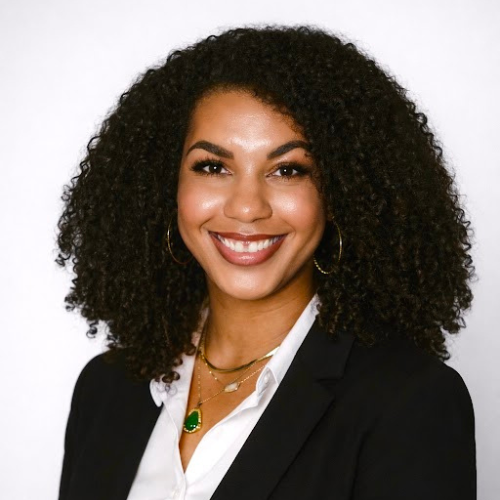
Hailey Dukart
Career Development Coordinator/MSW Student
Pima Community College