

The Start of Something New: Lessons Learned as a First Year Career Center
Bartlett Academic Success Center 306 | Mental health, systemic stress, and lived experiences all shape how students engage with career development. This interactive session explores trauma-informed and culturally responsive approaches that help career professionals better support connection, trust, and student success.
Bartlett Academic Success Center 306
Starting a career center from scratch is no easy task! Learn about the successes and challenges faced as a first-year career center in the College of Medicine, and participate in a round table discussion where professionals can come together to learn from one another.
Session Outcomes
Understand the challenges faced as a first year career center, and what actions have been taken to mitigate those challenges
Participate in a discussion with other professionals to share their experiences with building career centers
Learn from one another about best practices and what has worked (or not worked) for other institutions
Presenter
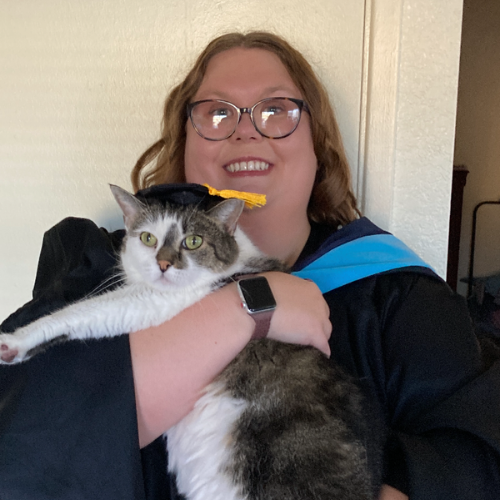
Taylor Brestel
Career Coach
University of Arizona
Tags
How We Used AI to Build Career Pathways for Underserved Students—Without More Staff or Budget
Bear Down Gym 210 | Learn how Pima Community College leveraged AI and community partnerships to rapidly build culturally responsive career pathways for underserved students. This session offers a practical and scalable model for increasing access and impact without requiring additional staffing or funding.
Bear Down Gym 210
Inclusive career pathways are a priority for everyone, but 'capacity' is usually the roadblock. At Pima Community College, we broke that barrier. By combining AI-driven scale with deep community roots—including partnerships with our Native American Student Club and the Gospel Rescue Mission—we’ve built pathways that honor students’ cultural identities and lived experiences. Join us to see how we’ve personalized career support for diverse identity groups and walk away with a replicable model you can use to meet your students exactly where they are.
Session Outcomes
Apply practical AI workflows to rapidly create career pathway content aligned to students’ cultures and lived experiences
Design partnerships with campus and community organizations to co-create pathways that meet students where they are
Implement a scalable approach to expand access to relevant career pathways without adding staff or budget"
Presenter
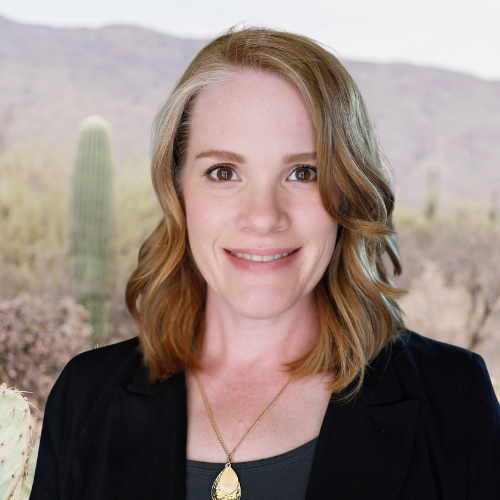
Emily Marshall
Program Manger, Work-Based Learning Systems
Pima Community College
Tags
Navigating Together: Scaling a Career Fair Through Career Services and Financial Aid Partnership
Bear Down Gym 266 | Discover how collaboration between Career Services and Financial Aid helped transform a career fair into a high-impact student success initiative. Participants will explore practical strategies for building cross-functional partnerships that connect career pathways, financial literacy, and student engagement.
Bear Down Gym 266
What happens when Career Services and Financial Aid move beyond parallel support to true collaboration? This interactive workshop uses a career fair case study to demonstrate how cross-functional partnerships can integrate career pathways and financial literacy into a high-impact, campus-wide initiative. Participants will leave with a practical framework to build and scale similar collaborations across disciplines and institutions.
Session Outcomes
Partnership Design: Participants will be able to identify and map opportunities for collaboration between Career Services and Financial Aid (or equivalent units) to support student career and financial outcomes.
Program Development & Implementation: Participants will be able to design a collaborative program or event (e.g., employer engagement, career panels, or workshops) that integrates career pathways with financial education, using an adaptable framework.
Assessment & Impact: Participants will be able to apply at least one strategy to assess and communicate the impact of cross-campus collaborations to stakeholders (e.g., leadership, employers, or institutional partners)."
Presenter
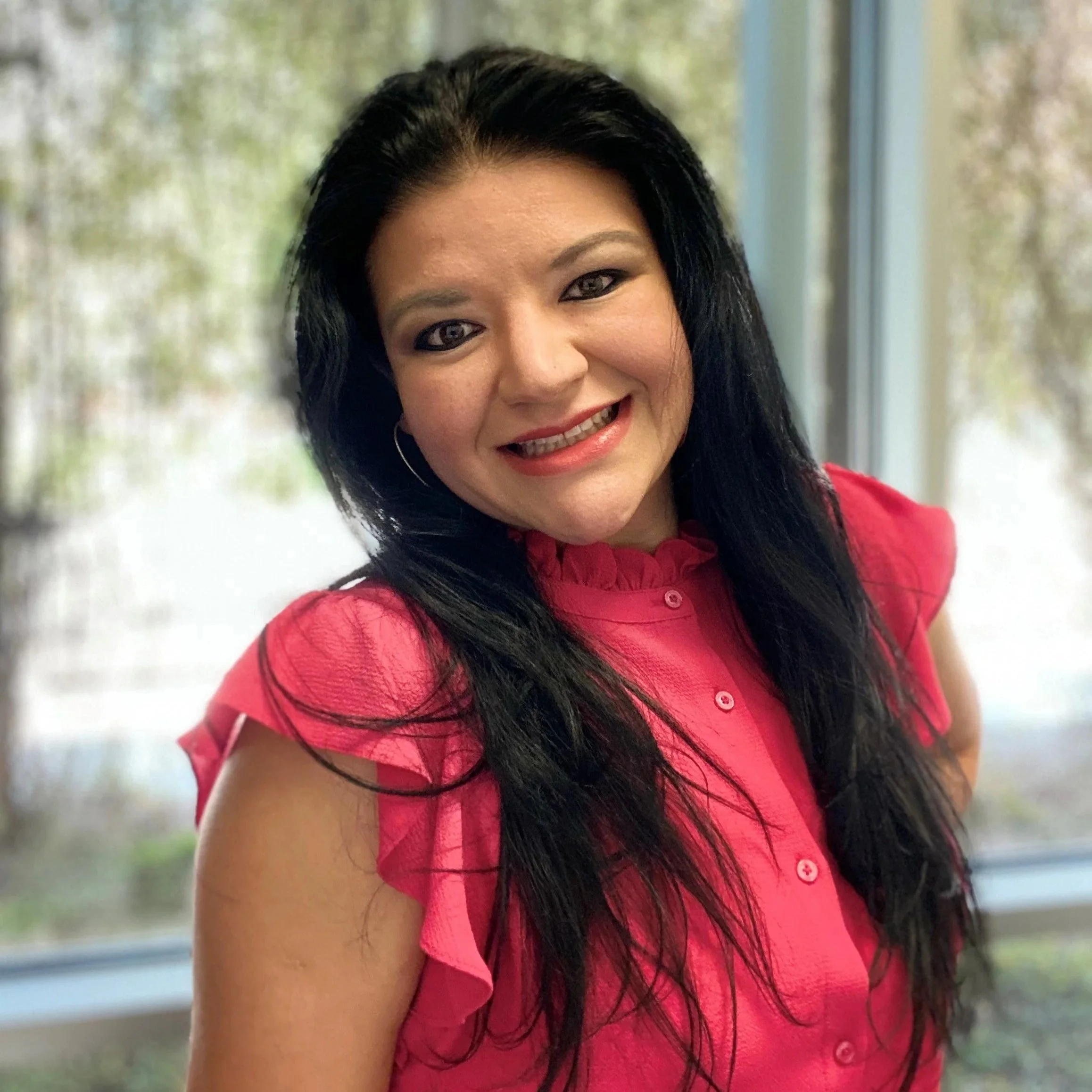
Anais Garcia, MA
Assistant Director, Office of Career & Professional Development; Senior Coordinator, Office of Scholarships & Financial Aid
University of Arizona
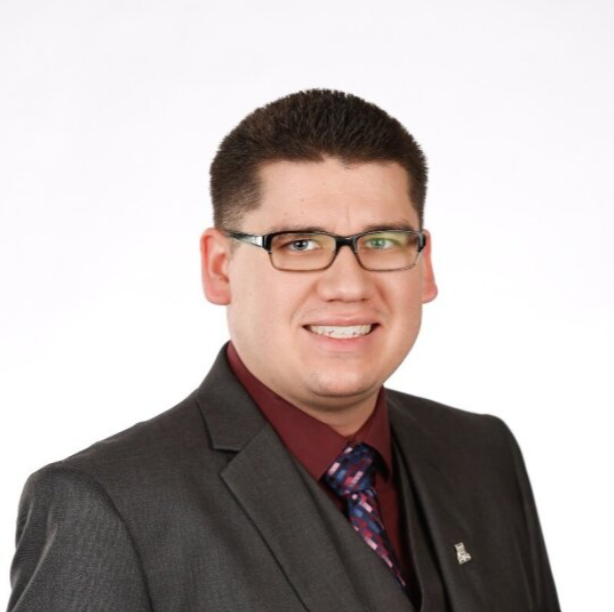
Matthew Rash, MBA, MPA
University of Arizona
Tags
Guide the Way: How Career Professionals Can Shape AI Implementation
Bartlett Academic Success Center 316 | Career professionals already possess many of the skills needed to guide responsible AI implementation, even without being technical experts. This interactive session explores how practitioners can step into leadership roles, shape AI use ethically, and move forward with greater confidence and clarity.
Bartlett Academic Success Center 316
Career development professionals know how to guide others through uncertainty — navigating lengthy application processes, understanding barriers, and building trust and connection. These exact skills are needed for responsible AI implementation, but many practitioners may feel we are waiting for experts to lead. This interactive session challenges that assumption: you don't need to be an AI expert to shape how this tool gets used in your work. Through stories of stepping into leadership without all the answers, practical examples, and interactive moments, you'll discover – and claim – where your expertise is critical. Leave with permission, confidence, and actions to move forward.
Session Outcomes
Participants will identify their own unique expertise and how it applies to responsible AI implementation for themselves, in their work, and in a career services context.
Participants will evaluate use of AI tools and decisions through a human-centered lens, recognizing when to implement, modify, or decline AI use based on student impact and equity considerations.
Participants will plan one concrete action to step into AI leadership in their role — whether experimenting with a tool, sharing a best practice, facilitating a team conversation, or shaping decision-making.
Presenter
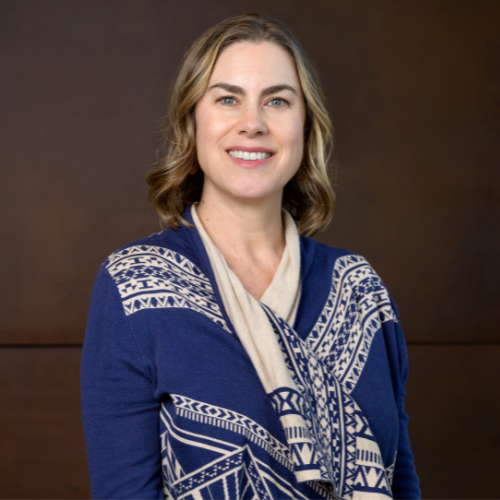
Amanda Harrell
Program Manager, Office of Responsible AI
University of Arizona